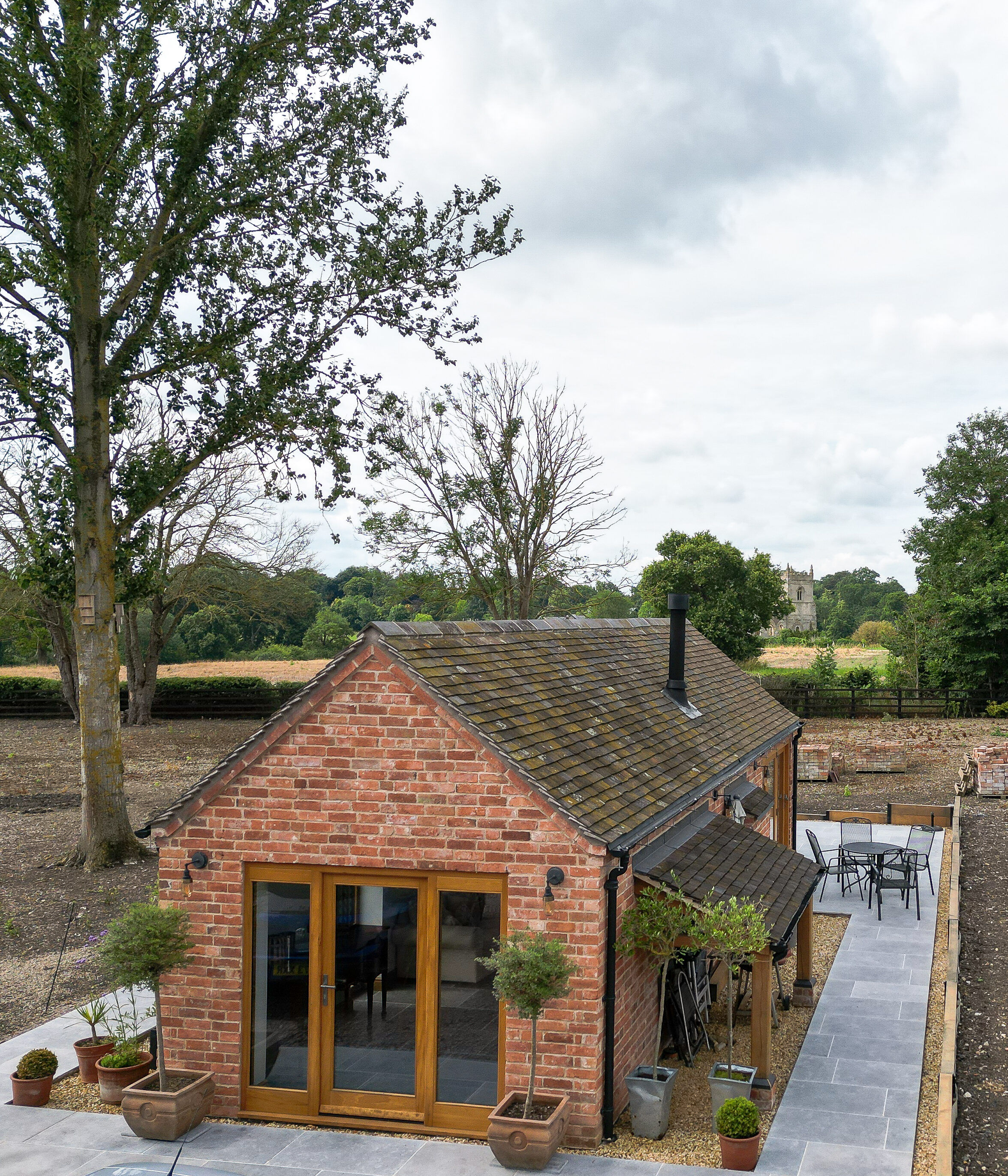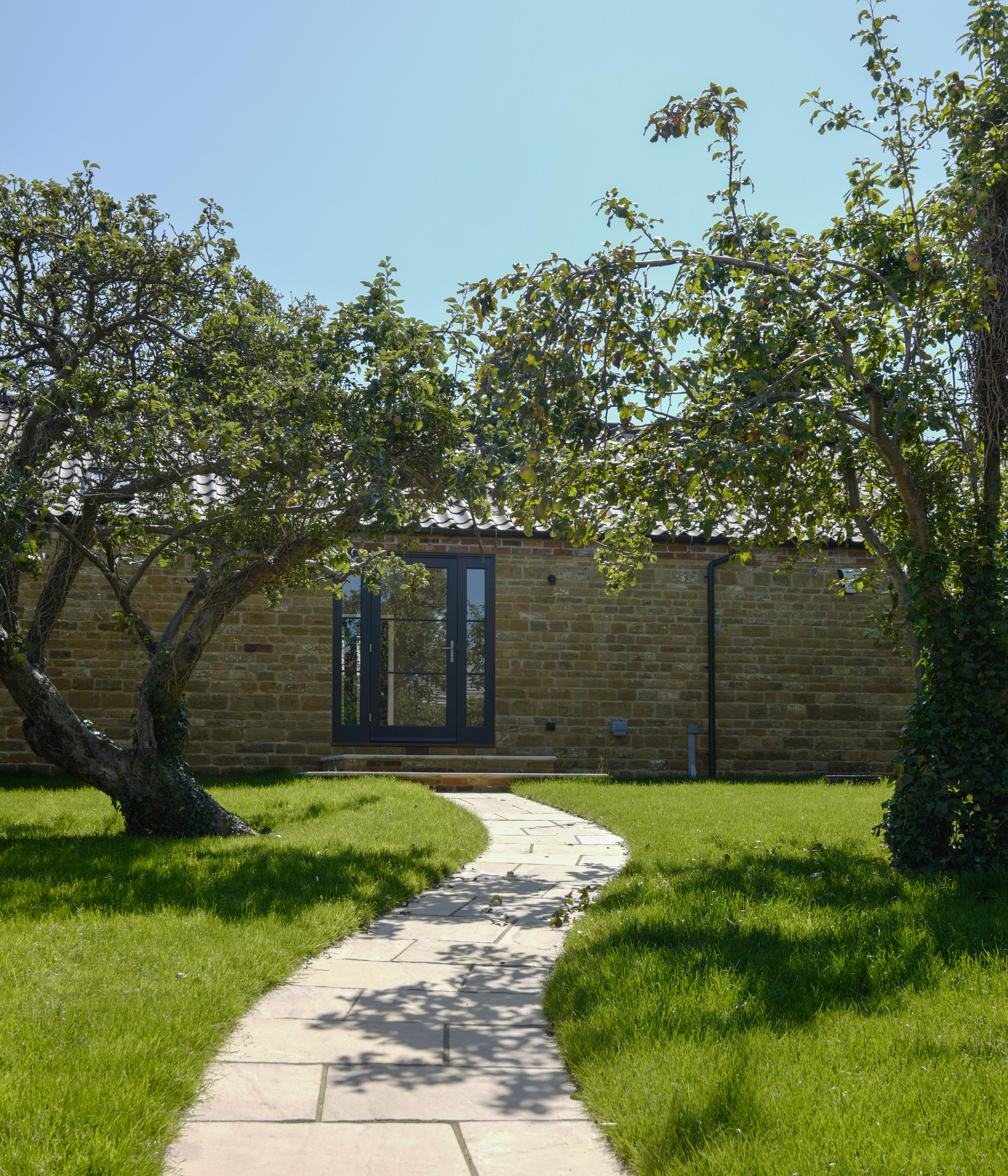

Listed Building Extensions. 10 Essential Things Every Homeowner Should Know
Extending a listed building can be one of the most rewarding ways to improve a home.
Whether you’re looking to create additional living space, improve functionality or adapt a historic property for modern life, a well-designed extension can enhance a building while respecting its unique character.
However, listed building extensions require careful consideration. Alongside design, homeowners must navigate listed building consent, planning requirements and the challenges that come with working on historic structures.
If you’re considering extending a listed property, these are ten important things to understand before beginning the process.
What is a listed building?
A listed building is a structure recognised for its special architectural or historic interest.
In England, listed buildings are protected and recorded by Historic England.
The majority of listed residential properties fall into the Grade II category, although some buildings are designated Grade II* or Grade I due to their exceptional significance.
Importantly, listing can apply to the entire building, including features both inside and outside the property.
Listed Building Consent Is Usually Required
One of the most common misconceptions surrounding listed building extensions is that planning permission alone is sufficient.
In most cases, homeowners will also require listed building consent before carrying out work that affects the character of the building.
This applies not only to extensions but also to alterations that may impact historic fabric, architectural details or significant features.
Failing to obtain consent can have serious consequences and may require unauthorised works to be reversed.
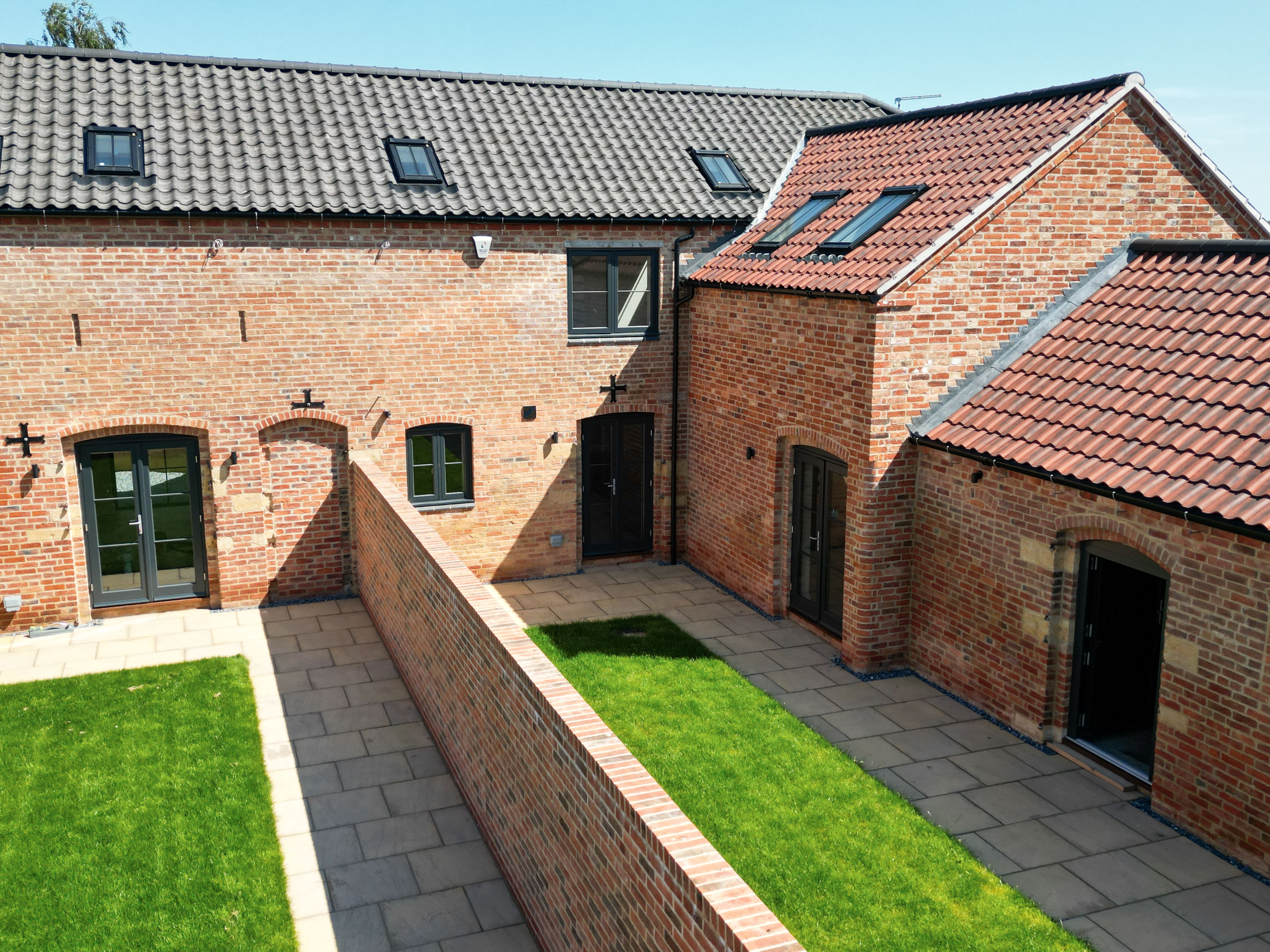
Every Listed Building Is Different
There is no single approach to extending a listed building.
The most successful projects begin with a detailed understanding of the property’s history, significance and existing character.
A rural farmhouse, Georgian townhouse and converted barn will each present different opportunities and constraints.
Good design responds to the individual building rather than applying a standard solution.
Modern Extensions Can Work Alongside Historic Buildings
Many homeowners assume that a listed building extension must replicate the original architecture exactly.
In reality, heritage authorities often support contemporary interventions when they are carefully designed.
A modern extension can provide a clear distinction between old and new while respecting the scale, materials and character of the original building.
The goal is not imitation but thoughtful integration.
Understanding Significance Is Critical
Before any design work begins, it is important to identify what makes the building special.
This may include:
Historic materials
Original layouts
Architectural details
Traditional craftsmanship
Relationships with surrounding buildings or landscapes
Understanding significance helps inform design decisions and strengthens the planning and consent process.

Early Discussions Can Save Time
Engaging with architects, heritage consultants and local planning authorities early in the process can help identify potential challenges before significant time and resources are invested.
Pre-application discussions are often valuable, particularly for complex listed building extensions.
Early collaboration can lead to better outcomes for both homeowners and heritage assets.
Materials Matter
The choice of materials plays an important role in any listed building extension.
Natural stone, brick, timber and traditional detailing often help create a sympathetic relationship between new and existing elements.
At the same time, contemporary materials can also be appropriate when used thoughtfully.
Successful heritage architecture balances sensitivity with authenticity.
Extending a Listed Building Is About More Than Space
Many of the most successful listed building extensions are not simply about creating additional square metres.
They are about improving how a building functions for modern life.
Projects may seek to:
Improve connections to gardens
Create family gathering spaces
Increase natural light
Enhance accessibility
Adapt underused areas
A thoughtful extension can help ensure a historic building remains relevant for future generations.

Costs Can Vary Significantly
The cost of a listed building extension depends on several factors, including:
Building condition
Site constraints
Materials
Heritage requirements
Structural interventions
Planning and consent requirements
Historic buildings often reveal unexpected conditions during construction, making contingency planning particularly important.
Working with experienced professionals can help manage risk and budget expectations.
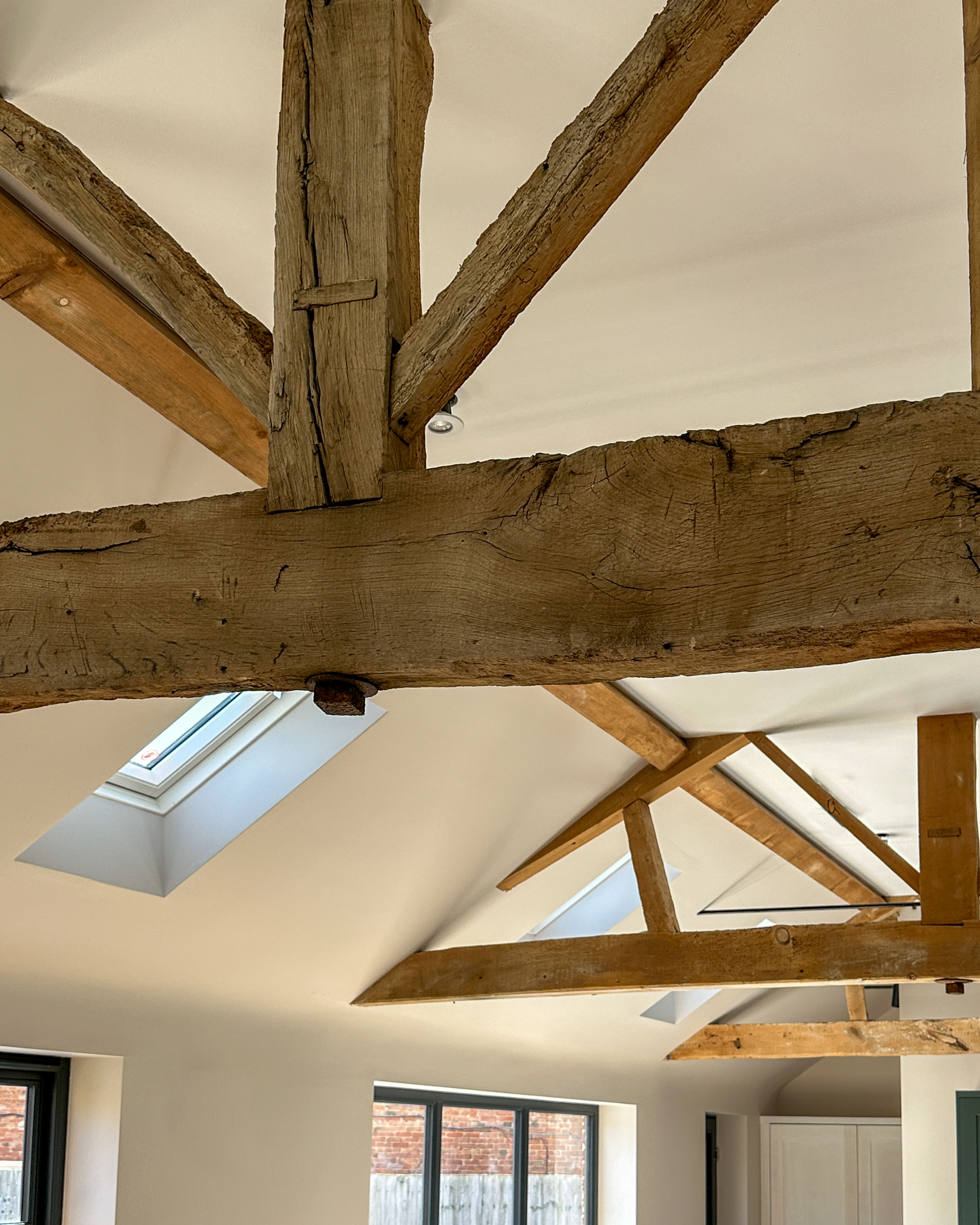
The Best Listed Building Extensions Respect the Past While Looking Forward
At their best, listed building extensions allow historic buildings to evolve without losing the qualities that make them special.
They support contemporary living while preserving architectural heritage.
Rather than freezing a building in time, thoughtful design helps write the next chapter in its story
Final Thoughts
Listed building extensions require careful planning, specialist expertise and a clear understanding of heritage considerations.
However, when approached thoughtfully, they can transform the way a historic property is experienced while safeguarding its character for years to come.
At The Art of Building, we believe the most successful heritage projects are those that balance conservation with contemporary living, creating places that continue to serve both present and future generations.