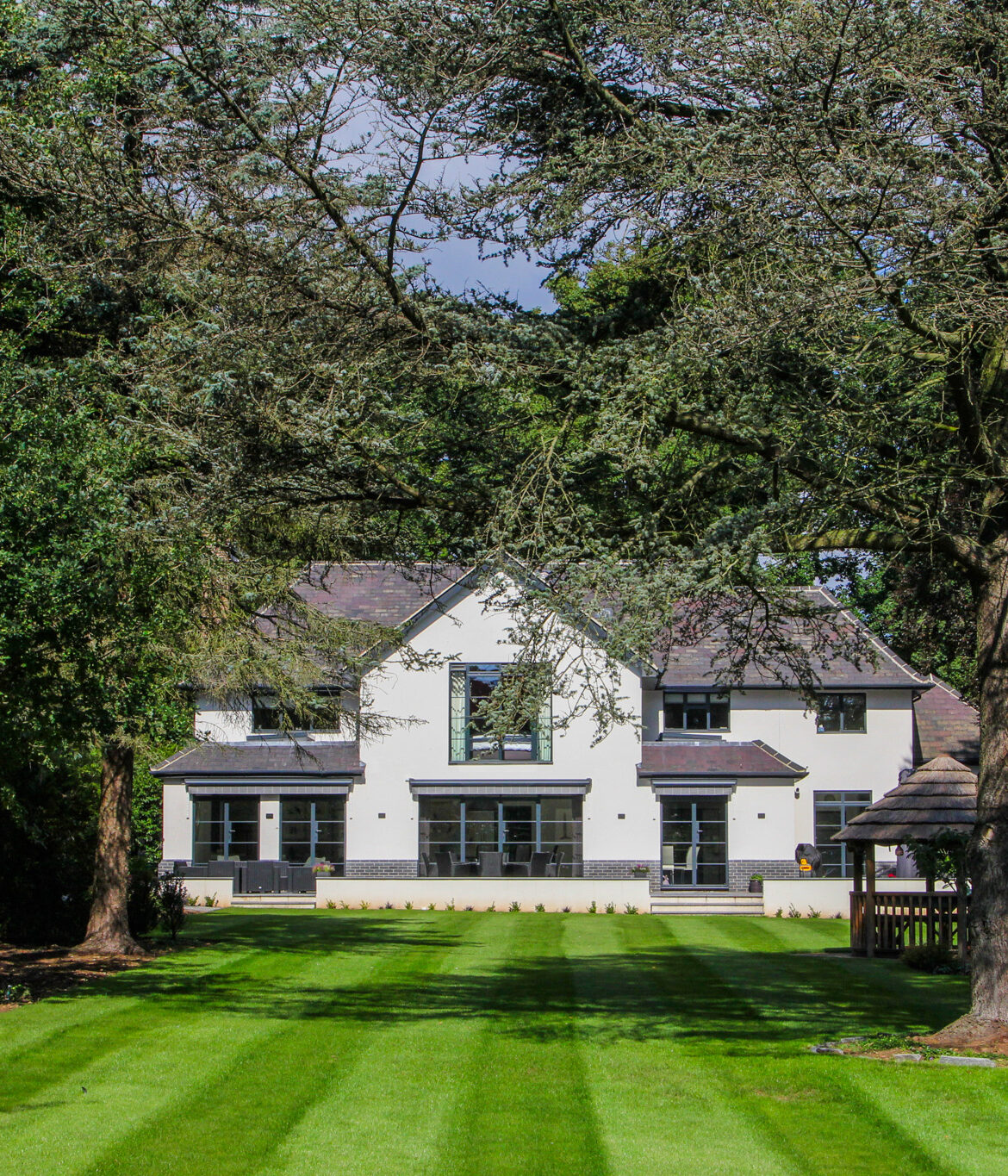
A successful home extension starts long before construction begins. One of the first decisions homeowners face is whether their extension can be built under Permitted Development rights or whether a full planning application will be required.
While both routes can deliver excellent results, the right choice depends on the scale of the project, the design ambitions for the home, and the planning constraints affecting the property. Understanding the difference early can help create a smoother process, avoid costly delays, and lead to a stronger architectural outcome.
At TAOB, we believe great architecture and design should be driven by how you want to live, not simply by planning regulations. Whether you’re creating a larger kitchen, extending your living space, converting a loft, or transforming the way your home connects to the garden, choosing the right route from the outset is an important part of creating a successful home extension.
What is Permitted Development?
Permitted Development rights allow certain types of home extension and building work to proceed without submitting a full planning application, provided the proposal complies with a set of national rules.
These rights were introduced to simplify the process for homeowners undertaking relatively straightforward improvements and extensions.
Permitted Development commonly covers:
Single-storey rear extensions
Side return extensions
Loft conversions
Garden rooms and outbuildings
Certain internal alterations
For many homeowners, this can provide a quicker route to creating additional space without the need for a full planning application.
However, Permitted Development is not a free pass. Strict rules govern the size, height, position, appearance, and relationship of the extension to neighbouring properties. Even where planning permission is not required, Building Regulations approval remains essential.
It is also important to note that not all properties benefit from Permitted Development rights. Flats, maisonettes, listed buildings, and homes within certain protected areas may be subject to additional restrictions.
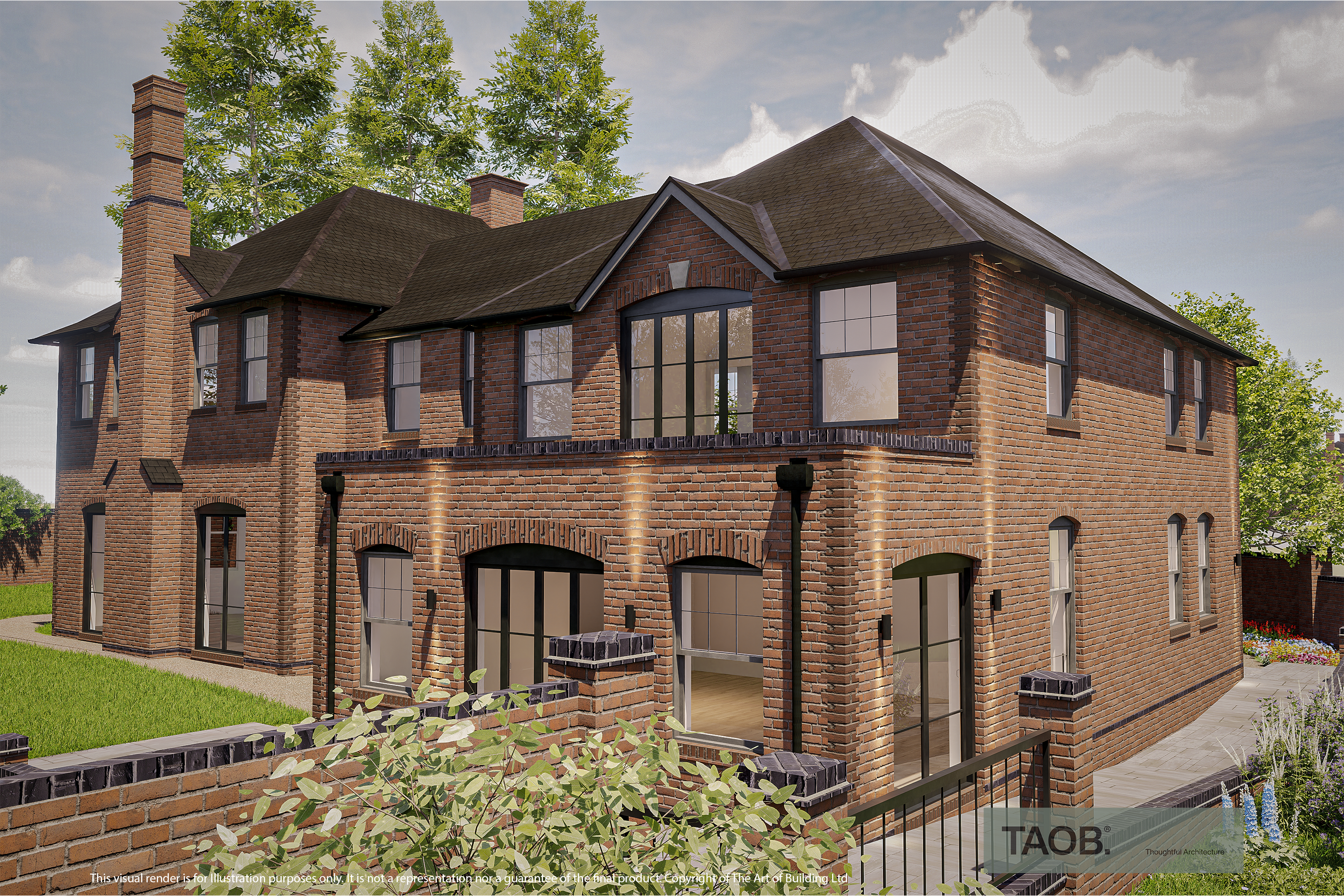
When Does a Home Extension Need Planning Permission?
Planning permission is formal approval from the local authority for proposed building works.
Unlike Permitted Development, a planning application allows proposals to be assessed individually based on their design quality, impact on neighbouring properties, and relationship to local planning policies.
A home extension is more likely to require planning permission if it includes:
A wrap-around extension
Significant alterations to the front of the property
Large-scale rear extensions
Contemporary architectural additions
Development within a Conservation Area
Work affecting a listed building
Proposals that exceed Permitted Development limits
While the planning process typically requires more documentation and takes longer to determine, it often unlocks opportunities that would not otherwise be possible.
For homeowners seeking a transformative change rather than simply additional floor area, planning permission can provide significantly greater flexibility.
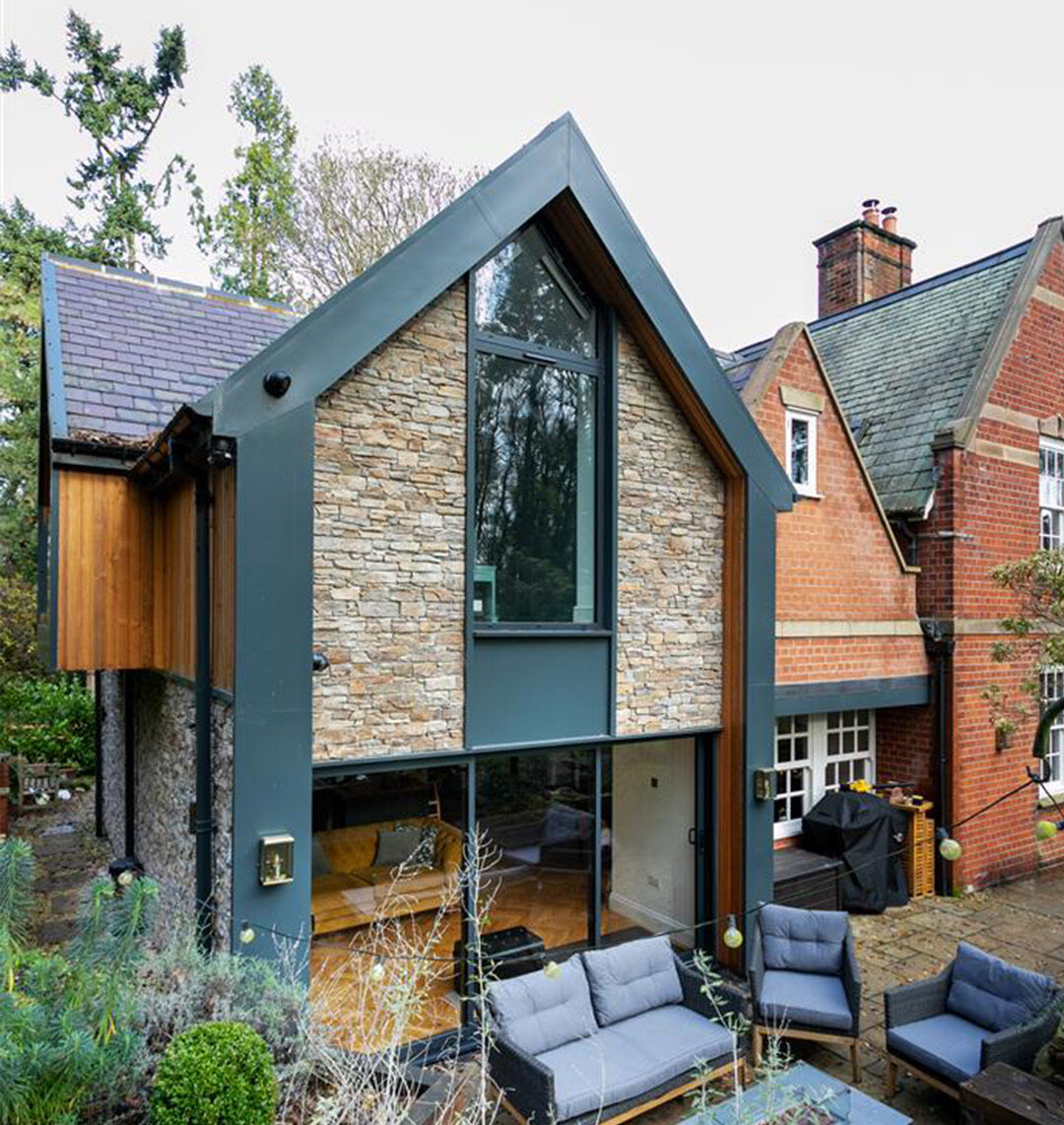
Permitted Development vs Planning Permission
One of the biggest misconceptions we encounter is that Permitted Development is always the better option.
In reality, the right route depends entirely on the property, the site’s constraints, and what you want your extension to achieve.
Permitted Development is often the most straightforward route for homeowners looking to create additional space through a rear extension, side return extension, or loft conversion. The approval process can be simpler, costs are typically lower, and projects can often progress more quickly once designs have been finalised. However, these benefits come with strict limitations on size, height, positioning, and appearance.
Planning Permission, on the other hand, offers greater flexibility. While the application process is more detailed and can take longer, it allows the design to be developed around your lifestyle and ambitions rather than around fixed legislative limits. Larger extensions, more contemporary architectural solutions, and significant alterations to the layout or appearance of a property are often better suited to a full planning application.
The key difference is that Permitted Development is largely governed by rules, whereas Planning Permission allows design quality and planning merit to play a much bigger role in the decision-making process.
For straightforward projects, Permitted Development can be an excellent solution. However, when homeowners want to maximise natural light, improve spatial flow, create more generous living spaces, or introduce a stronger architectural statement, a planning application can often unlock opportunities that would otherwise be impossible.
Ultimately, the best extensions are not defined by the route taken to gain approval. They are defined by how successfully they improve the way a home looks, feels, and functions for the people who live there.
The Benefits of Permitted Development
For many home extension projects, Permitted Development provides a practical and efficient route forward.
Key benefits include:
Provided the proposal complies with the legislation, homeowners may avoid the full planning application process.
Faster Progression
With fewer stages to navigate, projects can often move from design to construction more quickly.
Planning application fees are often reduced or avoided entirely.
Suitable for Straightforward Extensions
Many rear extensions, loft conversions, and side return extensions can be successfully delivered under Permitted Development.
For homeowners looking to improve their home without significantly altering its appearance, this route can offer excellent value.
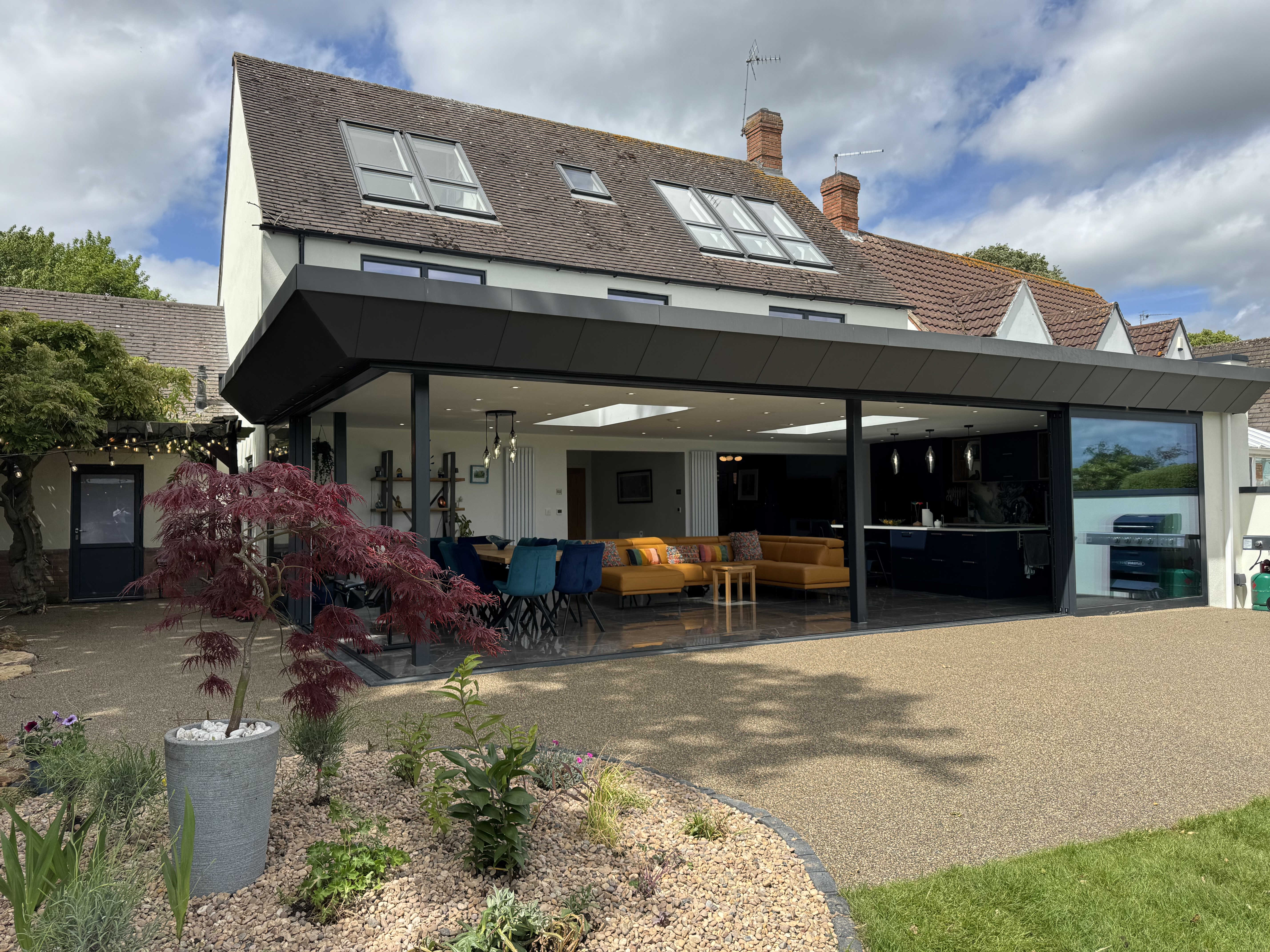
The Benefits of Planning Permission
While many homeowners initially focus on avoiding planning permission, a full planning application can often deliver a superior architectural outcome.
Greater Design Freedom
Planning permission allows architects to design around the needs of the homeowner rather than around rigid dimensional restrictions.
Improved Home Extension Design
Better ceiling heights, larger areas of glazing, more generous layouts, and stronger connections between spaces are often achievable.
Stronger Architectural Character
A carefully considered extension can enhance the overall appearance and value of a property while respecting its context.
Better Long-Term Investment
A thoughtfully designed extension that fully responds to the property often provides greater long-term value than one shaped purely by Permitted Development constraints.
At TAOB, we regularly advise clients that the question should not be whether planning permission can be avoided, but whether avoiding it will produce the best result.
Home Extension Design: Looking Beyond Planning
Whether a project falls under Permitted Development or requires planning permission, successful architecture is about much more than securing approval.
A well-designed home extension should:
Improve natural light
Create better flow between spaces
Strengthen connections to the garden
Support modern family living
Enhance the character of the property
Add long-term value
The most successful projects are those where architecture and design drive the process from the beginning.
Planning legislation should support the design, not define it.
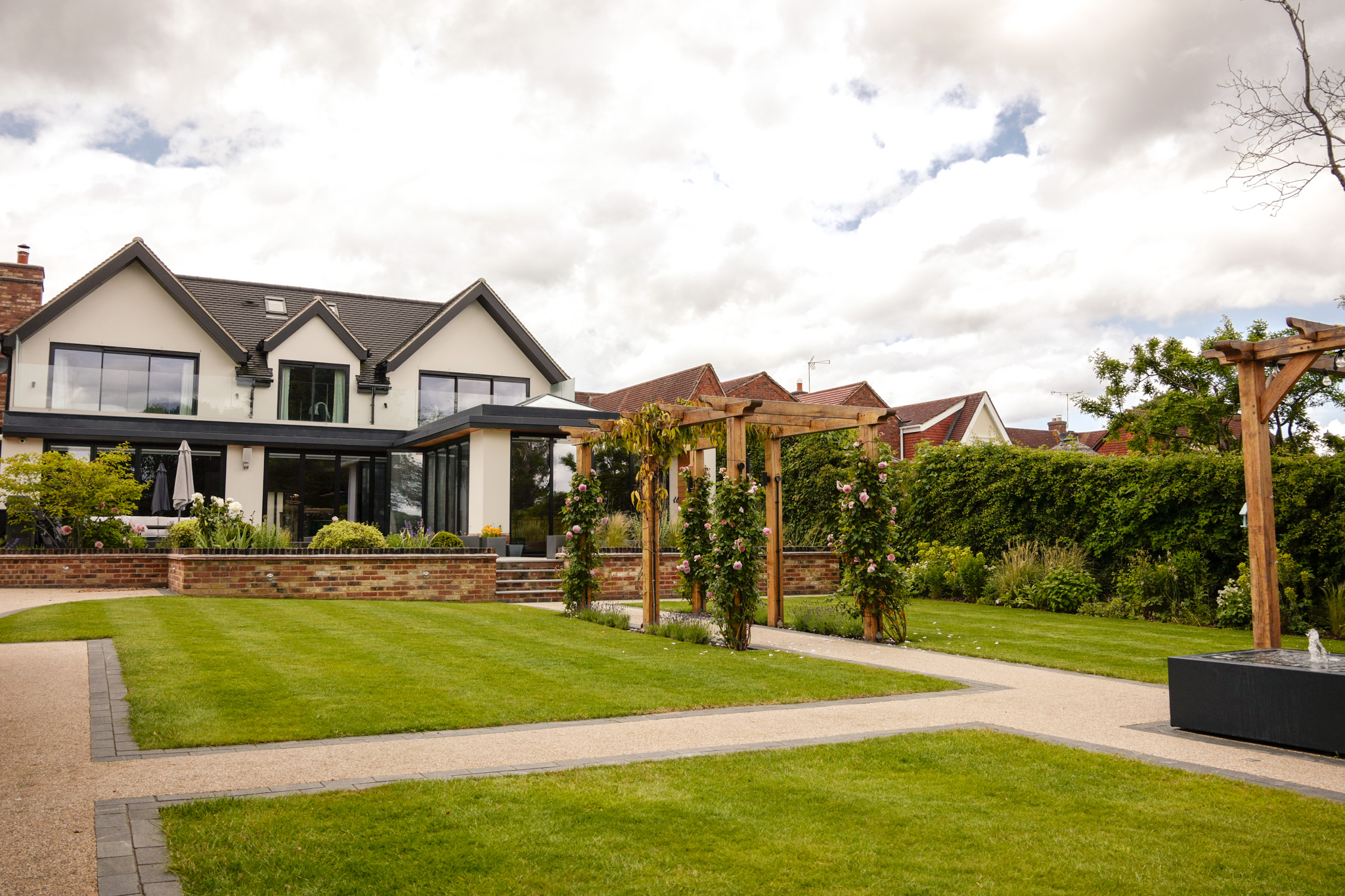
Complex Home Extension Projects and Planning Challenges
Not every home extension fits neatly within Permitted Development rules.
Some projects involve listed buildings, Conservation Areas, difficult sites, significant architectural alterations, or planning constraints that require a more considered approach.
At TAOB, our architecture and design team works alongside specialist planning consultants who have supported our projects for many years. Together, we help homeowners navigate complex planning challenges and develop robust applications that maximise the potential of a site while responding to local planning policies.
Our experience includes delivering home extension and architectural design projects across Charnwood Borough Council, Leicester City Council, Harborough District Council, and numerous London boroughs including Southwark, Haringey, Bromley and others.
This experience provides valuable insight into both national planning guidance and the local planning considerations that can influence decision-making.
For more challenging projects, early collaboration between architect, homeowner, and planning consultant can often unlock opportunities that might otherwise be overlooked. A carefully developed planning strategy can help overcome planning obstacles while delivering a stronger architectural outcome.
Choosing the Best Route for Your Home Extension
There is no universal answer when deciding between Permitted Development and planning permission.
For some homeowners, Permitted Development offers the ideal route to creating additional space quickly and efficiently.
For others, a planning application provides the flexibility needed to create something truly transformative.
The most important step is understanding what you want your home extension to achieve.
Are you simply looking for more space, or are you looking to improve the way your home feels, functions, and supports everyday life?
At TAOB, we assess every project individually, considering the property, planning context, budget, and design ambitions before recommending the most appropriate route forward.
Our goal is not simply to secure approval. It is to create thoughtful architecture and design solutions that enhance homes, improve daily living, and deliver lasting value.
If you’re considering a home extension and would like expert advice on Permitted Development, planning permission, architecture, or design, we’d be delighted to discuss your project and help you identify the best path forward.
Useful Rescources:
UK Government Planning Guidance
Charnwood Borough Council Planning Services
Leicester City Council Planning Services
Harborough District Council Planning Services
You can also explore our Home Extensions, Architectural Design, Planning Applications, and Residential Architecture services to see how we help homeowners transform their properties through thoughtful design and expert guidance.


