Creating additional space within your home can be one of the most rewarding investments you make. Whether you’re planning a larger kitchen, a new living area, or a more practical layout for a growing family, a well-designed extension can transform how you live while adding long-term value to your property.
However, successful extension projects begin long before construction starts. Understanding planning requirements, budgets, building regulations, and project timelines from the outset can help avoid unnecessary delays and unexpected costs.
This home extension checklist has been created by TAOB to guide homeowners through the key stages of planning a successful extension project. If you are unsure where to start – begin here.

Define Your Objectives
Before speaking to architects, designers, or builders, take time to establish exactly what you want to achieve.
Consider the following questions:
What is the primary reason for extending?
Which areas of the home currently feel restricted?
How will your family’s needs change over the next five to ten years?
Do you want to improve day-to-day living, increase property value, or both?
What is your realistic budget range?
Having clear objectives will help shape the design process and ensure every decision supports your overall goals.
Assess What's Possible
Every property has its own opportunities and limitations. The size of your plot, existing layout, neighbouring properties, access requirements, and local planning policies will all influence what can be achieved.
At this stage, it can be beneficial to seek professional advice to understand:
Potential extension sizes and layouts
Planning considerations
Structural requirements
Budget expectations
Timescales for delivery
Identifying any constraints early allows the project to progress more efficiently.
Will a Home Extension Increase Property Value?
One of the most common questions homeowners ask is whether an extension is financially worthwhile.
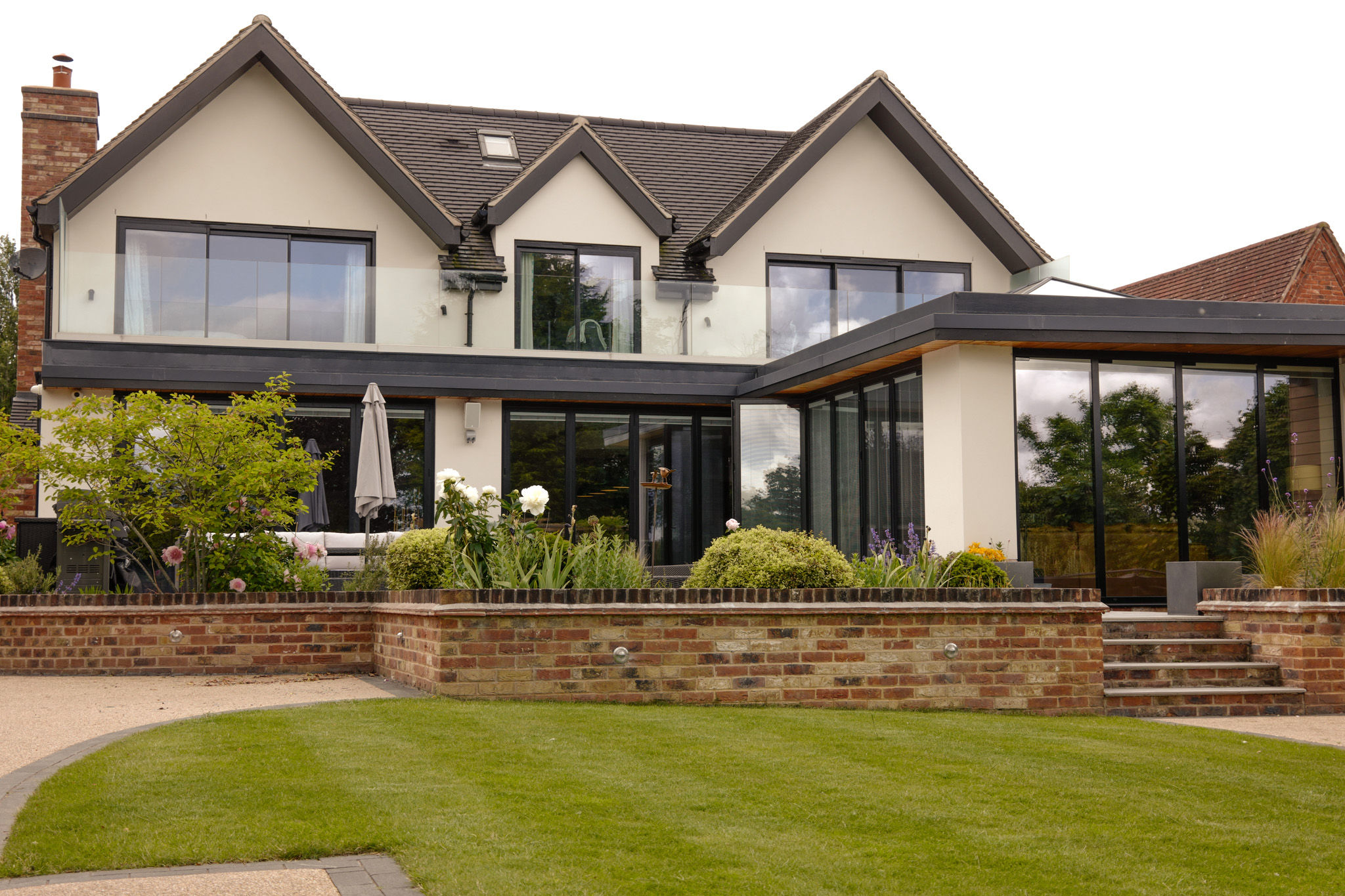
In many cases, additional living space can enhance both market appeal and property value, particularly when it improves functionality. Open-plan kitchen-dining areas, larger family spaces, and better connections between indoor and outdoor living areas are consistently attractive to future buyers.
A successful project should first and foremost improve the way your home works for you and your family. If the new space genuinely enhances everyday living, it is likely to be a worthwhile investment regardless of future property market conditions
Planning Permission: Do You Need It?
Understanding planning requirements should be one of the first items on your extension checklist.
Some residential extensions can be built under Permitted Development Rights, while others require a formal planning application. Eligibility depends on several factors, including:
The size and scale of the proposed extension
The property’s location
Whether the property is listed
Conservation area restrictions
Previous alterations to the property
While certain projects may proceed without full planning permission, obtaining professional guidance can help ensure compliance and reduce the risk of complications later in the process.
Understanding Building Regulations
Planning permission and Building Regulations serve different purposes and should not be confused.
Planning permission focuses on whether a development is acceptable from a planning perspective, whereas Building Regulations ensure the construction meets required safety and performance standards.
Building Regulations typically cover:
Structural stability
Fire safety
Thermal efficiency
Ventilation
Drainage
Electrical works
Accessibility requirements
Most extensions require Building Regulations approval regardless of whether planning permission is needed. Ensuring compliance from the outset can prevent costly alterations during construction.
Review Your Insurance Cover
Before work begins, contact your home insurer to discuss the proposed extension.
Construction projects can affect existing policies, and your insurer may need to adjust your cover while building work is underway. Failing to notify them could potentially affect future claims.
You should also verify that any contractor or builder involved in the project carries appropriate insurance, including:
Public liability insurance
Employers’ liability insurance
Contractors’ all-risk cover where applicable
Requesting evidence of insurance provides valuable peace of mind throughout the build.
Keep Neighbours Informed
Good communication can prevent many common issues during residential building projects.
Informing neighbours about your plans early in the process helps manage expectations and can reduce the likelihood of disputes once construction begins.
Discussing matters such as working hours, deliveries, access arrangements, and anticipated project duration’s can contribute to a more positive experience for everyone involved.
Consider Party Wall Requirements
If your extension involves work near or on a shared boundary, the Party Wall etc. Act 1996 may apply.
This is particularly relevant for:
Side return extensions
Excavations near neighbouring foundations
Structural works involving shared walls
Extensions built close to boundary lines
Party Wall procedures can take time, so it is important to identify any requirements early and factor them into the overall project programme.
Create a Detailed Brief
A well-prepared project brief provides a clear roadmap for everyone involved.
Your brief should outline:
The purpose of the extension
Desired room layouts
Design preferences
Key priorities
Budget expectations
Non-negotiable requirements
The clearer your brief, the easier it becomes for designers and builders to deliver a solution that aligns with your vision.

Build a Realistic Budget
Construction costs are only one part of the overall investment.
Your extension budget should also account for:
Architectural and design fees
Structural engineering costs
Planning application fees
Building Regulations fees
Party Wall surveyor costs
Interior finishes
Kitchens and bathrooms
Landscaping works
Contingency allowances
Setting aside a contingency fund is particularly important, as unforeseen issues can arise once construction begins.
Choosing the Right Builder
Selecting the right construction partner can significantly influence the success of your project.
Rather than focusing solely on price, consider:
Relevant extension experience
Portfolio of completed projects
Client testimonials
Communication and responsiveness
Transparency of quotations
Project management capabilities
A design-and-build approach can often simplify the process by providing a single point of responsibility from concept through to completion.
Final Thoughts
A successful extension is built on careful preparation, informed decision-making, and expert guidance.
By taking the time to understand planning requirements, establish a realistic budget, create a clear brief, and appoint the right team, you can approach your project with confidence and avoid many of the common challenges homeowners face.
At TAOB, we work closely with homeowners to deliver thoughtfully designed extensions that enhance both the functionality and value of their properties. Whether you’re at the early planning stage or ready to begin your project, our team can help guide you through every step of the journey.
Thinking about extending your home? Contact TAOB today to discuss your ideas and discover what’s possible for your property.